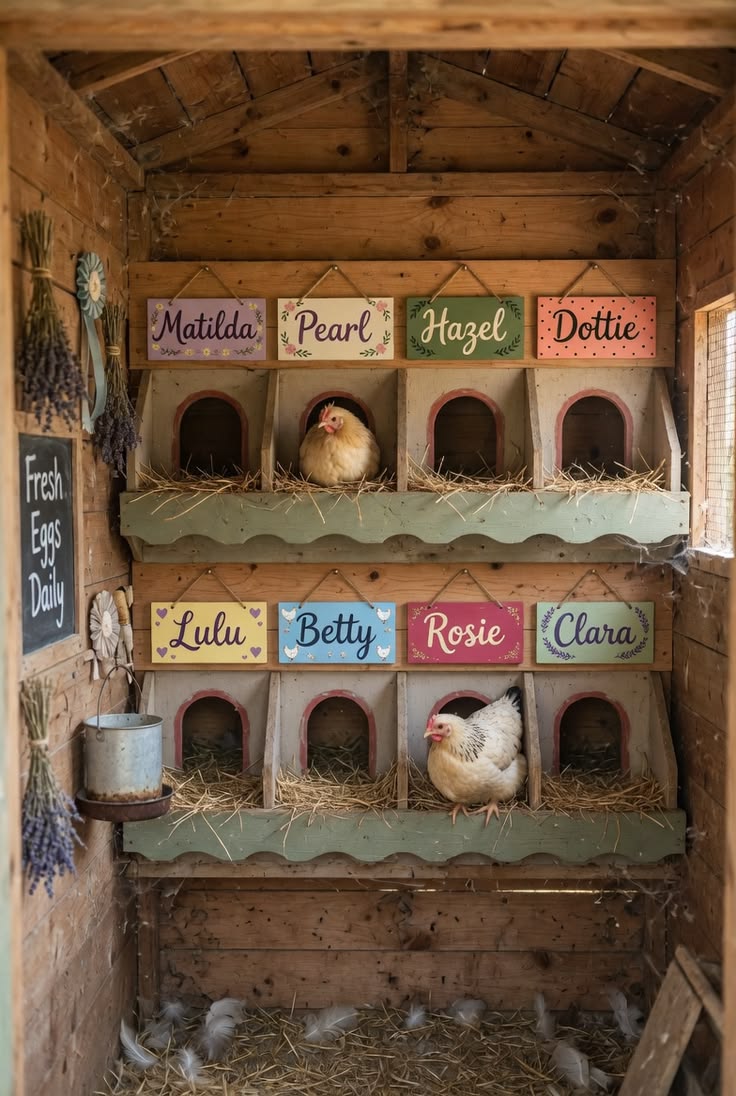
Charming Chicken Nesting Box Sets That Hens Love
There is something deeply satisfying about opening a coop and finding a row of clean eggs tucked into a tidy, well-made nesting box. The right nesting box set does more than look charming on a shelf or against a coop wall. It encourages hens to lay where you want them to, keeps eggs clean and unbroken, and makes your daily egg collection a small pleasure instead of a treasure hunt through the bushes.
In this guide, we will explore the most charming nesting box sets available, what makes a good box, how to arrange them, and the simple tricks that get every hen laying in the right place.
Whether you are outfitting a brand-new coop or upgrading a tired old setup, the right boxes turn egg collection into one of the happiest chores of keeping chickens.
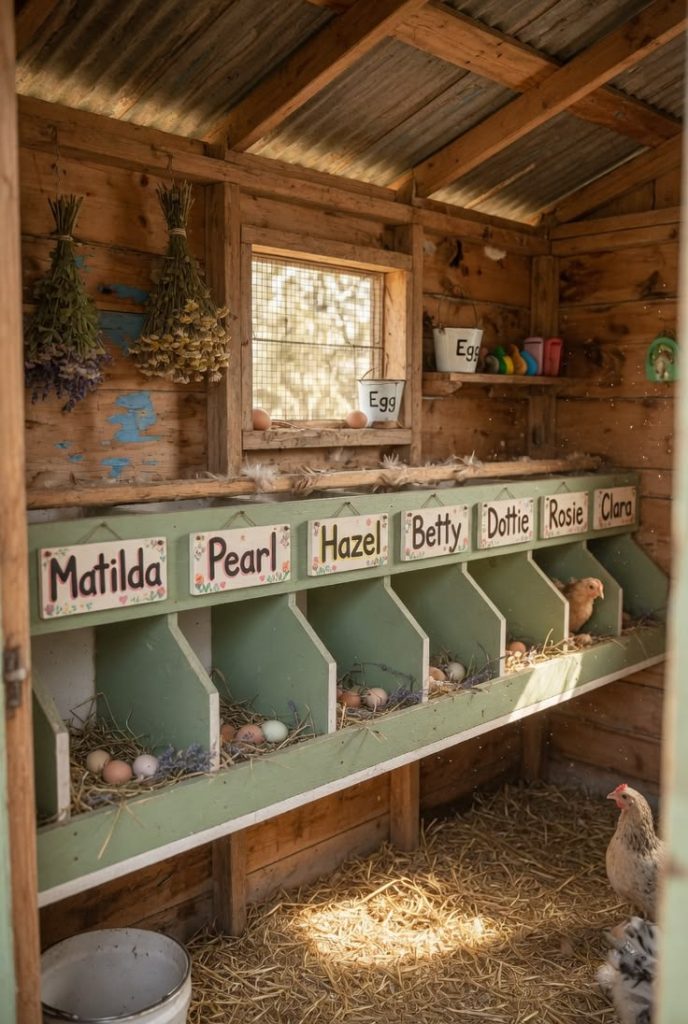
Why Good Nesting Boxes Matter?
Hens are creatures of habit and comfort. When a nesting box feels safe, private, and cozy, hens return to it day after day, and you get clean eggs in a predictable spot. When boxes are cold, exposed, or uncomfortable, hens improvise by laying in corners, under bushes, or in the bedding where eggs get dirty, cracked, and eaten. A quality nesting box set is the simplest way to keep your egg supply clean and reliable.
Good boxes also protect egg quality. Soft bedding cushions each egg as it is laid, sloped roll-away designs carry eggs out of reach before they can be pecked, and a darkened interior calms broody hens. For a backyard flock, that combination means fewer wasted eggs and far less mess.
What Makes a Nesting Box Set Charming and Functional?
The Right Size
A standard nesting box should be roughly 12 by 12 by 12 inches for average hens, with larger breeds appreciating a little more room. Too small and hens feel cramped and refuse to use it. Too large and two hens may crowd in together and crack the eggs. The classic cube shape hits the sweet spot for almost every breed.
Privacy and Darkness
Hens prefer a dim, sheltered nook to lay in. Boxes with a small lip or a curtain at the front give that sense of privacy, which reduces stress and discourages egg eating. A charming gingham or burlap curtain is not just decorative; it genuinely helps shy hens settle in.
Easy Access for You
The most charming sets are also the most practical. External roll-out trays and lift-up lids let you collect eggs from outside the coop without disturbing your birds or stepping into bedding. For larger flocks, this single feature can save you real time every morning.
Top Pick: Wooden Chicken Nesting Box Sets
Classic wooden nesting box sets bring rustic charm to any coop and are built to be cozy, dark, and inviting so hens lay happily and consistently.
Popular Types of Nesting Box Sets
Wooden Multi-Box Sets
Built from cedar, pine, or fir, wooden nesting box sets are the timeless choice. They insulate well against heat and cold, look beautiful in a barn or coop, and can be painted to match your setup. A typical set offers two to four compartments in one unit, making it simple to mount along a coop wall.
Metal Roll-Away Sets
Galvanized metal roll-away boxes are the cleanest option for serious egg producers. As soon as a hen lays, the egg gently rolls onto a protected tray, out of pecking range and away from dirty feet. Metal is also easy to wipe down and resistant to mites, which love to hide in wood crevices.
Plastic Snap-Together Sets
Lightweight and inexpensive, molded plastic boxes wipe clean in seconds and never harbor mites the way wood can. They are perfect for keepers who prioritize quick sanitation, and many come in cheerful colors that brighten up a coop.
Roll-Away Nesting Box Set
Roll-away designs keep eggs spotless and crack-free by moving them out of reach the moment they are laid, which is ideal for busy keepers.
How Many Nesting Boxes Do You Need?
Despite what new keepers expect, you do not need one box per hen. Hens love to share, and most flocks gravitate to one or two favorite boxes no matter how many you provide. The standard guideline is one box for every 3 to 4 hens. A flock of 8 is happy with 2 or 3 boxes, while a flock of 16 does well with 4 or 5. Providing a few extra is fine, but too many simply become dusty storage that you have to clean.
The Best Bedding for Nesting Boxes
The bedding inside the box matters as much as the box itself. Soft, clean nesting material cushions eggs and keeps them clean. Pine shavings are the most popular choice for their absorbency and pleasant smell. Straw and hay create a cozy, charming look but need more frequent changing. Many keepers love reusable nesting box pads, which are washable, mite-resistant, and create a neat uniform base in every box.
Washable Nesting Box Pads
Reusable nesting pads give every box a clean, cushioned base, resist mites, and shake out in seconds, which keeps eggs cleaner with less daily effort.
Decorative Touches That Hens Actually Appreciate
Charming does not have to mean impractical. A few well-chosen decorative touches genuinely improve how your boxes perform. Small front curtains add privacy and a country-cottage look. Ceramic or wooden dummy eggs placed in a fresh box teach young pullets exactly where to lay. Hanging herb bundles like lavender or mint near the boxes smell lovely and naturally help repel pests. Each of these adds character while doing real work.
Ceramic Dummy Eggs
Placing a dummy egg in a new box shows young hens where to lay and helps break stubborn floor-laying habits across the whole flock.
How to Get Hens to Use Their New Boxes?
If your hens are ignoring a brand-new set, a few simple fixes usually solve it. Mount boxes lower than the roosts so birds do not prefer to sleep in them. Add fresh, fluffy bedding to make each box inviting.
Place a dummy egg or two to signal that this is a safe laying spot. Block off the boxes at night for the first week to prevent roosting and fouling. Collect eggs often at first, since a clean box encourages repeat visits. Within a week or two, most flocks adopt their new boxes happily.
Keeping Nesting Boxes Clean and Pest-Free
Clean boxes mean clean eggs and healthy hens. Refresh bedding whenever it looks soiled, and do a deeper clean every few weeks by removing all material and wiping surfaces. Dust the boxes occasionally with a poultry-safe diatomaceous earth or mite powder to keep red mites at bay, paying close attention to corners and seams where pests hide. A quick weekly check keeps small problems from ever becoming big ones.
Common Nesting Box Problems and How to Fix Them
Hens Eating Their Own Eggs
Egg eating is a frustrating habit that spreads quickly through a flock once it starts. It usually begins when an egg breaks accidentally and a hen discovers the taste. Prevent it by collecting eggs often, keeping plenty of soft bedding to cushion eggs, and switching to roll-away boxes that move eggs out of reach the moment they are laid. Making sure hens get enough calcium and protein also reduces the urge, since nutritional gaps can trigger the behavior.
Hens Sleeping and Pooping in the Boxes
If you find your boxes fouled with droppings each morning, your hens are roosting in them at night. The fix is almost always to raise your roosting bars higher than the boxes, since hens instinctively sleep at the highest point. Blocking the boxes off at dusk for a week also breaks the habit quickly.
Hens Laying on the Floor
Floor laying leads to dirty, easily cracked eggs. Encourage proper box use by placing a ceramic dummy egg in each box, adding fresh inviting bedding, mounting boxes at a comfortable height, and keeping the boxes in a quiet, dim corner. Most floor layers switch to the boxes within a week or two of these adjustments.
Seasonal Nesting Box Care
Your nesting boxes need a little seasonal attention to stay clean and comfortable all year. In summer, watch for mites, which thrive in warm weather, and dust the boxes more frequently with a poultry-safe powder. In winter, add extra straw or bedding for warmth and insulation, and check that boxes stay dry, since damp bedding in cold weather is a recipe for sick hens.
During spring and fall, do a deeper clean by removing all bedding, scrubbing the boxes, and letting them dry fully before refilling. This simple seasonal rhythm keeps your boxes fresh and your eggs clean no matter the weather.
Frequently Asked Questions:
How high should nesting boxes be off the ground?
Mount boxes about 18 to 20 inches off the floor, and always lower than your roosting bars. This keeps eggs out of the bedding while discouraging hens from sleeping and pooping in the boxes.
Why are my hens not using the nesting boxes?
The most common reasons are boxes mounted too high, too little privacy, or roosts placed lower than the boxes. Add fresh bedding, a dummy egg, and a small front curtain, and most hens come around quickly.
What is the best material for a nesting box?
Wood is the most charming and best-insulating choice, while metal and plastic are easier to sanitize and more mite-resistant. The best pick depends on whether you value looks, insulation, or quick cleaning most.
Do nesting boxes need a roof or a curtain?
A cover or curtain is not strictly required, but it adds the privacy and darkness hens prefer, which reduces stress and egg eating. Many keepers find that a simple curtain noticeably improves laying behavior.
Matching the Box Set to Your Flock Size
The right nesting box set depends on how many hens you keep and how you like to manage them. A small backyard flock of three to six hens does beautifully with a compact two or three-box wooden set that mounts neatly along one wall. A medium flock of eight to twelve hens benefits from a four-box set, ideally with external access so you can collect eggs without entering the coop.
Larger flocks of fifteen or more are best served by modular metal roll-away units that keep a high volume of eggs spotless and are quick to sanitize. Whatever the size, remember the one box per three to four hens rule and prioritize easy cleaning, since a set that is simple to maintain is one you will actually keep clean. Choosing the right scale from the start saves you from cramped boxes or wasted space down the road.
Final Thoughts
A charming chicken nesting box set is a small upgrade with an outsized payoff. The right boxes keep your eggs clean and intact, give your hens a cozy place they will return to every day, and add real warmth and character to your coop.
Match the material to your priorities, provide soft bedding, mount the boxes correctly, and add a few thoughtful touches, and you will look forward to collecting eggs every single morning. Use the recommended sets and accessories above to build a nesting setup your hens will love.