8 Hen Chicken Coop Layout Guide: Plan the Perfect Setup
Eight hens are one of the most popular flock sizes for backyard keepers, and for good reason. It is large enough to keep a family in fresh eggs all week, yet small enough to manage easily in a suburban yard. The secret to a happy eight-hen flock is not just the coop you buy, but how you lay it out. A smart interior layout keeps birds calm, eggs clean, air fresh, and chores quick.
In this complete layout guide, we will plan every part of an eight-hen coop, from floor space and roosts to feeders, runs, and ventilation, plus the products that make the build go smoothly.
By the end, you will know exactly how to arrange a coop that keeps eight hens thriving in every season.
How Much Space Do 8 Hens Need?
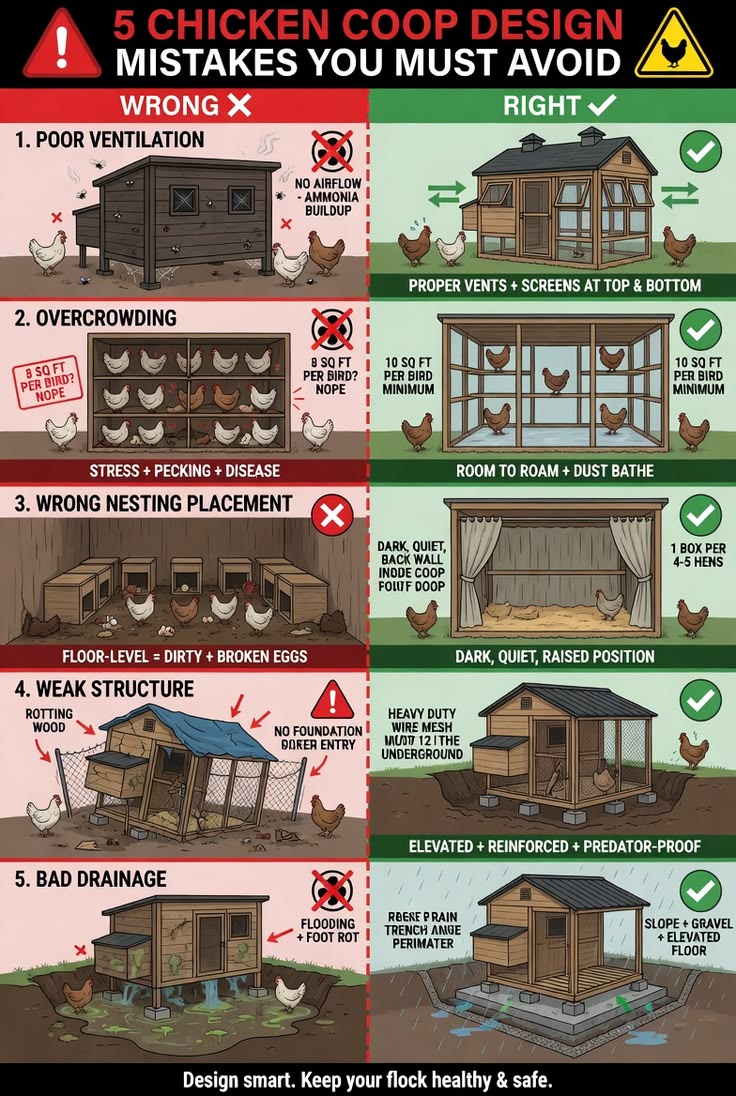
Space is the foundation of every good layout. For eight standard-size hens, plan for a minimum of 32 square feet of indoor coop space, using the rule of 4 square feet per bird. A 4 by 8-foot coop is the classic footprint that hits this target perfectly. For the run, aim for at least 80 square feet, or 10 square feet per hen, and more if your birds will not free-range daily.
If you keep larger breeds or live somewhere with long, snowy winters when birds stay inside for weeks, scale up. Generous space prevents the pecking, bullying, and feather loss that crowded flocks suffer. With eight hens, a slightly bigger coop costs little extra and pays back in calmer, healthier birds.
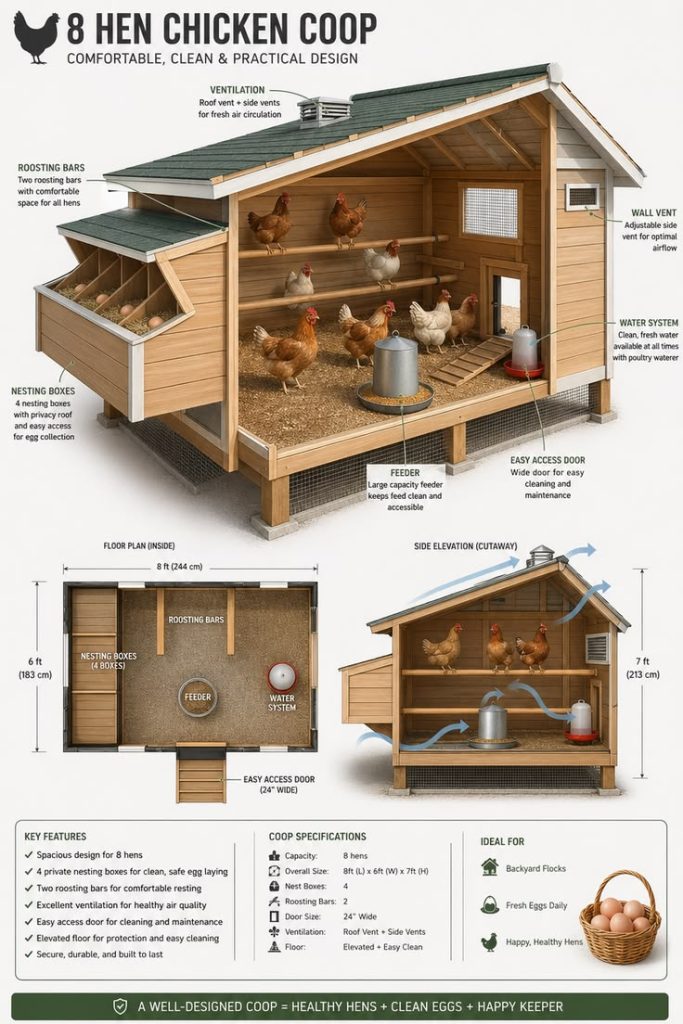
The Ideal 8 Hen Chicken Coop Layout, Zone by Zone
Zone 1: The Roosting Area
Roosts go at the highest point of the coop, since hens instinctively sleep up high. For eight hens, you need about 8 feet of total roosting bar, which you can provide as two 4-foot bars or one long run. Use rounded 2×4 lumber laid flat side up so birds can cover their feet in cold weather. Position roosts above the nesting boxes and away from the door to keep your sleeping birds undisturbed.
Zone 2: The Nesting Boxes
Eight hens need just two or three nesting boxes, since hens happily share. Mount them along one wall, about 18 inches off the floor and below the roosts. Place them in the darkest, quietest corner of the coop for privacy, and fill each with soft bedding. Roll-away or external-access boxes make egg collection effortless.
Zone 3: Feeding and Watering
Keep feed and water away from the roosts so droppings do not contaminate them. Hang feeders and waterers at about the height of a hen’s back to reduce spillage and waste. For eight hens, a medium hanging feeder and a 3 to 5 gallon waterer will comfortably cover a full day, and a nipple-style waterer keeps the water clean.
Zone 4: The Floor and Bedding
The open floor is where your hens scratch, dust-bathe in winter, and move around. Cover it with several inches of pine shavings using the deep litter method, which composts droppings in place and keeps the coop dry and low-odor. Leave the center clear for movement and place a droppings board beneath the roosts to catch the bulk of the overnight mess.
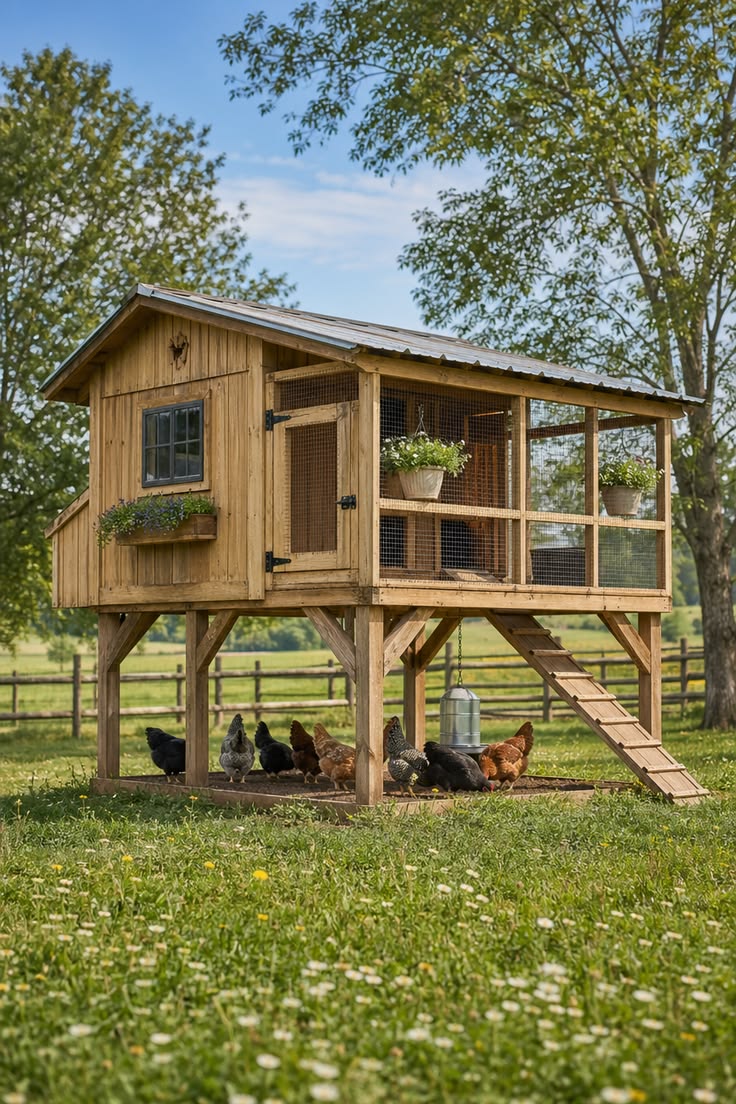
Top Pick: Chicken Coops Sized for 6 to 8 Hens
A coop built specifically for a medium flock comes with roosts, boxes, and a run already sized correctly, which takes the guesswork out of your layout.
Designing the Run
The run is where your eight hens spend most of their waking hours, so it deserves real thought. Attach it directly to the coop with a secure pop door, and cover the top with netting or welded wire to stop hawks and climbing predators. Inside the run, add a dust-bathing area, a few perches, and some enrichment like a hanging cabbage or a scratch block to prevent boredom. Partial shade and a rain cover keep birds comfortable in all weather.
Walk-In Run and Coop Combo
A combined coop and covered run gives your eight hens safe outdoor space all day, even when you are not home to supervise them.
Ventilation: The Layout Detail Most People Miss
Even a perfectly arranged coop will make hens sick without good airflow. Eight hens produce significant moisture and ammonia overnight, and trapped damp air causes respiratory problems and winter frostbite.
Add vents high on the walls near the roofline so warm, humid air escapes above the birds without chilling them at roost level. Cover every opening with hardware cloth. As a target, provide about 1 square foot of vent area for a 4 by 8 coop, adjusted up in hot climates.
Predator Proofing Your 8 Hen Coop
A small flock is just as tempting to predators as a large one, so build security into the layout from the start. Cover all windows and vents with half-inch hardware cloth, never flimsy chicken wire. Bury hardware cloth around the perimeter or lay a flat apron to stop diggers. Fit every door and pop hole with a secure, raccoon-proof latch, and consider an automatic door that locks at dusk so a single forgotten night does not cost you the flock.
Automatic Coop Door
An automatic door opens at dawn and secures the coop at dusk on its own, which is the single best upgrade for protecting a small flock overnight.
Sample 4 by 8 Foot Layout
Here is a proven arrangement for eight hens in a 4-by-8 coop. Place the human access door on one short end. Along the back wall, mount two nesting boxes about 18 inches up. Run two roosting bars across the opposite end, set higher than the boxes, with a droppings board beneath.
Hang the feeder and waterer in the center, clear of the roosts. Cut high vents near the roofline on both long walls. Put the pop door on the side that connects to the run. This layout keeps clean and dirty zones separate, makes chores fast, and gives every hen room to settle in.
Seasonal Layout Adjustments
A good layout flexes with the seasons. In summer, open extra ventilation, add a shaded dust bath in the run, and keep water in the coolest spot. In winter, deepen the bedding for insulation, block the lowest drafts while keeping high vents open, and switch to a heated waterer base to stop freezing. These small seasonal tweaks keep eight hens comfortable and laying through temperature swings.
Common 8 Hen Layout Mistakes to Avoid
Even with a good plan, a few layout missteps can undermine an otherwise solid coop. The most frequent is placing feed and water directly under the roosts, where droppings constantly contaminate them. Keep them well clear of sleeping areas. Another common error is mounting nesting boxes higher than the roosts, which trains hens to sleep and poop in the boxes.
Always set boxes lower. Many keepers also forget to leave open floor space, cramming the interior with so much equipment that birds have nowhere to move, which raises stress. Finally, do not skimp on ventilation to save wall space, since stale air harms your flock far more than a slightly smaller usable footprint ever could.
Adapting the Layout for Different Breeds
Not all eight-hen flocks have the same needs, and your layout should reflect your breeds. Large, heavy breeds like Orpingtons, Brahmas, and Plymouth Rocks need wider, sturdier roosts set a little lower so they can climb up and down without injury, plus a touch more floor space each.
Light, active breeds such as Leghorns and many bantams are strong fliers that appreciate higher roosts and extra vertical space. Cold-hardy breeds tolerate lower winter temperatures but still need dry, draft-free air, while heat-tolerant breeds benefit from extra ventilation and shade in the run. Knowing your flock lets you fine-tune roost height, spacing, and airflow for maximum comfort.
Lighting for Year-Round Laying
Egg production naturally slows in winter because hens need roughly 14 to 16 hours of light per day to lay consistently, and the short days fall well short. If you want eggs through the winter, add a simple timer-controlled LED light to your coop to extend the daylight hours, switching it on in the early morning rather than at night so birds are not suddenly plunged into darkness on their way to roost.
Keep the light gentle and warm in tone, and give your hens a natural break for part of the year if you prefer, since a rest period can support long-term laying health. For an eight-hen flock, a single low-wattage fixture on a timer is all you need.
Frequently Asked Questions:
What size coop is best for 8 chickens?
A 4 by 8 foot coop providing 32 square feet of indoor space is the standard for eight standard-size hens, paired with a run of at least 80 square feet.
How many nesting boxes do 8 hens need?
Two or three boxes are plenty, since hens share. There is no need for one box per bird, and too many simply collect dust.
How much roost space do 8 hens need?
Provide about 8 feet of total roosting bar, allowing roughly 8 to 12 inches per hen so every bird has a comfortable spot to sleep.
Can 8 chickens stay in the coop all day?
They can for short periods, but daily access to a run or free-ranging keeps them far happier and healthier. If birds must stay in often, increase both coop and run space.
Free-Ranging vs Full-Time Run Living
How your eight hens spend their days shapes how you should set up the coop and run. If you free-range your flock around a yard or pasture during daylight, your run can be more modest, since the birds get most of their exercise and foraging outside it, though you must accept some predator risk and the chance of eggs hidden around the property.
If your hens live full-time in the coop and run, you need to be more generous with run space and enrichment to keep them active and content, since a bored, confined flock develops bad habits quickly.
Many keepers strike a balance with supervised free-ranging in the evenings or a movable run that lets birds graze fresh ground safely. Whichever approach you choose, make sure your layout provides enough space, stimulation, and shelter for the amount of time your birds actually spend inside it.
A Quick Word on Flock Health
A great layout supports more than convenience; it directly protects your flock’s health. Separating clean and dirty zones limits the spread of disease, good ventilation prevents respiratory illness, and adequate space reduces the stress that suppresses laying and immunity.
Keep a close eye on your eight hens as individuals, watching for changes in appetite, droppings, feather condition, or activity, since early detection makes most poultry problems easy to treat. A well-designed coop makes these daily observations effortless because you can see and reach every bird without disruption. In this way, thoughtful layout pays dividends in healthier, longer-laying hens for years to come.
Final Thoughts
A great eight-hen coop is all about thoughtful layout. Get the space, roosts, nesting boxes, feeders, ventilation, and predator proofing right, and you create a calm, clean, low-maintenance home that keeps your flock laying beautifully.
Eight hens is a wonderfully manageable flock size, and with the zone-by-zone plan above you can set up a coop that works for both your birds and your daily routine. Use the recommended coops and accessories to bring your perfect layout together.