20 Chicken Coop Hacks That Make Keeping Chickens So Much Easier
These 20 practical chicken coop hacks come from experienced backyard chicken keepers who have figured out smarter ways to manage the daily routines, tackle the frustrations, and get more enjoyment from their flocks. From cleaning shortcuts to predator-proofing tricks and egg collection hacks — this is the list that saves you time and money.
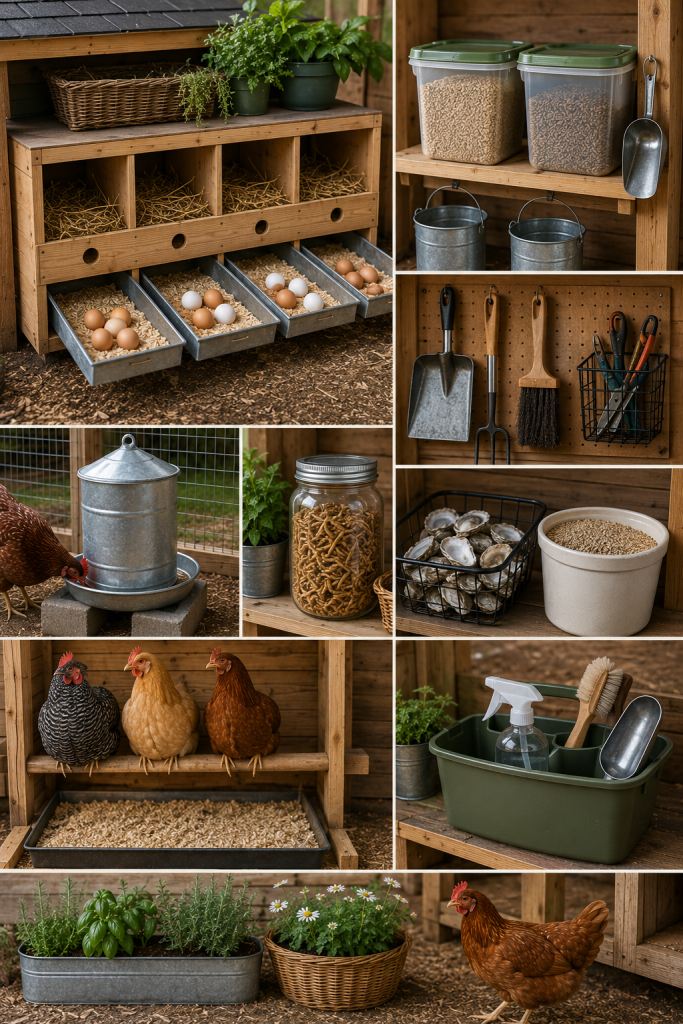
Cleaning and Maintenance Hacks
Hack 1: The Deep Litter Method
Instead of cleaning the coop weekly, use the deep litter method. Start with 4 inches of wood chips or straw. Add 2 inches on top whenever the floor looks compressed or wet. Only fully clean out twice per year. The litter composts in place, generating warmth and suppressing harmful bacteria.
Hack 2: Line the Droppings Board with Vinyl
Install a removable droppings board under the roosting bars and line it with vinyl shelf liner. When it is time to clean, the vinyl peels off completely and scrubs clean in seconds. No scraping dried droppings from raw wood.
Hack 3: Sand Instead of Shavings
Replace pine shavings with 4 to 6 inches of construction sand. It scoops like a cat litter box, drains perfectly, and does not create dust. The cleanest and lowest-effort litter system for most backyard coops.
Hack 4: White Vinegar for Cleaning
Undiluted white vinegar kills most common bacteria and removes mineral deposits in waterers without leaving harmful residues. Far cheaper than commercial poultry cleaners and completely safe.
Organization Hacks
Hack 5: Hanging Supply Station
Mount a pegboard or broom hanger rack on the outside of the coop. Hang your feed scoop, egg basket, cleaning brush, and small tools. Everything is where you need it, every time.
Hack 6: Label Everything
Label your feed bins with the feed type, flock age, and purchase date. Stale feed is a common source of nutritional deficiency and illness. Date labeling prevents using old stock accidentally.
Hack 7: A Dedicated Egg Collection Basket
A wire egg collection basket stores eggs safely during collection and goes straight to the kitchen. Far better than pockets or cardboard cartons that break or absorb moisture during collection.
Hack 8: Magnetic Whiteboard on the Coop
A small waterproof whiteboard on the coop wall lets you note flock health observations, last cleaning date, egg counts, and feed delivery dates. Far more reliable than trying to remember.
Egg Production Hacks
Hack 9: Golf Balls in the Nesting Box
Place a golf ball or ceramic egg in nesting boxes to encourage new hens to lay there. Hens instinctively prefer to lay where they see other eggs. This hack cuts nesting box training from weeks to days.
Hack 10: Roll-Away Boxes for Clean Eggs
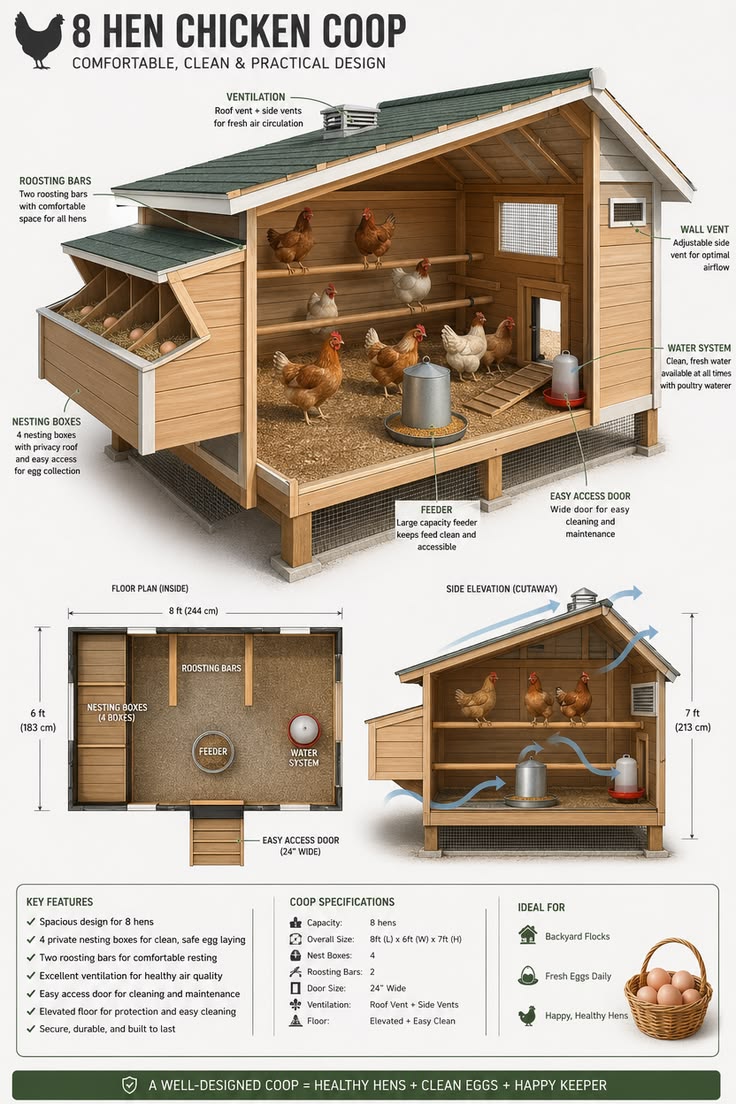
Install roll-away nesting boxes where eggs roll gently into a collection tray immediately after laying. Eggs stay clean, unbroken, and the flock cannot eat them. One of the highest-impact upgrades for any laying flock.
Hack 11: Fake Eggs to Stop Egg Eating
If a hen is eating eggs, replace real eggs with ceramic or wooden fake eggs. When she pecks them and gets no reward, the behavior typically stops within a week. Paired with roll-away boxes, egg eating becomes virtually impossible.
Predator Proofing Hacks
Hack 12: Automatic Door Opener
The single most effective predator-proofing hack is an automatic coop door. It closes at dusk every single day regardless of whether you forget, are traveling, or are running late. The most common cause of predator losses is a door left open after dark.
Hack 13: Double-Latch Every Door
Install a two-step predator-proof latch on every coop door. Raccoons can open standard slide bolts and hook-and-eye latches. A two-step mechanism defeats them completely.
Hack 14: Motion-Activated Light on the Run
A motion-activated solar light beside the run deters nocturnal predators without any ongoing maintenance. Most predators avoid brightly lit areas.
Feeding and Watering Hacks
Hack 15: Hang Feeders and Waterers
Hang feeders and waterers at hen back height. Hanging keeps them level, reduces contamination from scratching, and prevents bedding from being kicked into the water. One of the simplest health improvements.
Hack 16: Nipple Waterers for Clean Water
Replace open trough waterers with nipple-based chicken waterers. Water stays clean for days rather than hours. Hens learn in 2 to 5 days. The most significant water hygiene upgrade available.
Hack 17: Fermented Feed
Soak chicken feed in water for 3 days to create fermented feed. Fermented feed is more digestible, reduces feed consumption by up to 20%, and supports gut health. A free upgrade that improves flock health noticeably.
Winter Hacks
Hack 18: Vaseline on Combs in Frost
Apply a thin layer of petroleum jelly to prominent single combs in very cold weather to prevent frostbite. Large combs are the most vulnerable part of the chicken to frost damage.
Hack 19: Heated Water Base
A simple heated base placed under a standard metal waterer keeps water liquid without electricity-guzzling heated waterers. The base element only runs when needed.
Hack 20: Insulate with Deep Litter
In winter, allow the deep litter in the coop to build to 8 to 12 inches. The composting action generates gentle heat from within the litter, supplementing the hens’ own body heat and keeping the floor noticeably warmer than uninsulated coops.
Frequently Asked Questions
What is the easiest way to clean a chicken coop?
The deep litter method is the lowest effort. Sand floor plus a scooping tool is the cleanest. The worst approach is bare wood floors cleaned weekly — it is the most labor-intensive and least effective option.
How do I stop flies in a chicken coop?
Deep litter management, fly strips near the pop door, and natural repellents (lavender, basil, mint near the coop entrance) control fly populations effectively. The primary source is wet bedding — always prioritize dry litter.
What is the best nesting box material?
Roll-away boxes with astroturf or rubber inserts are the cleanest and most maintenance-free option. Traditional straw works well but requires weekly changing.