25 Backyard Chicken Farming Tips Every Keeper Should Know
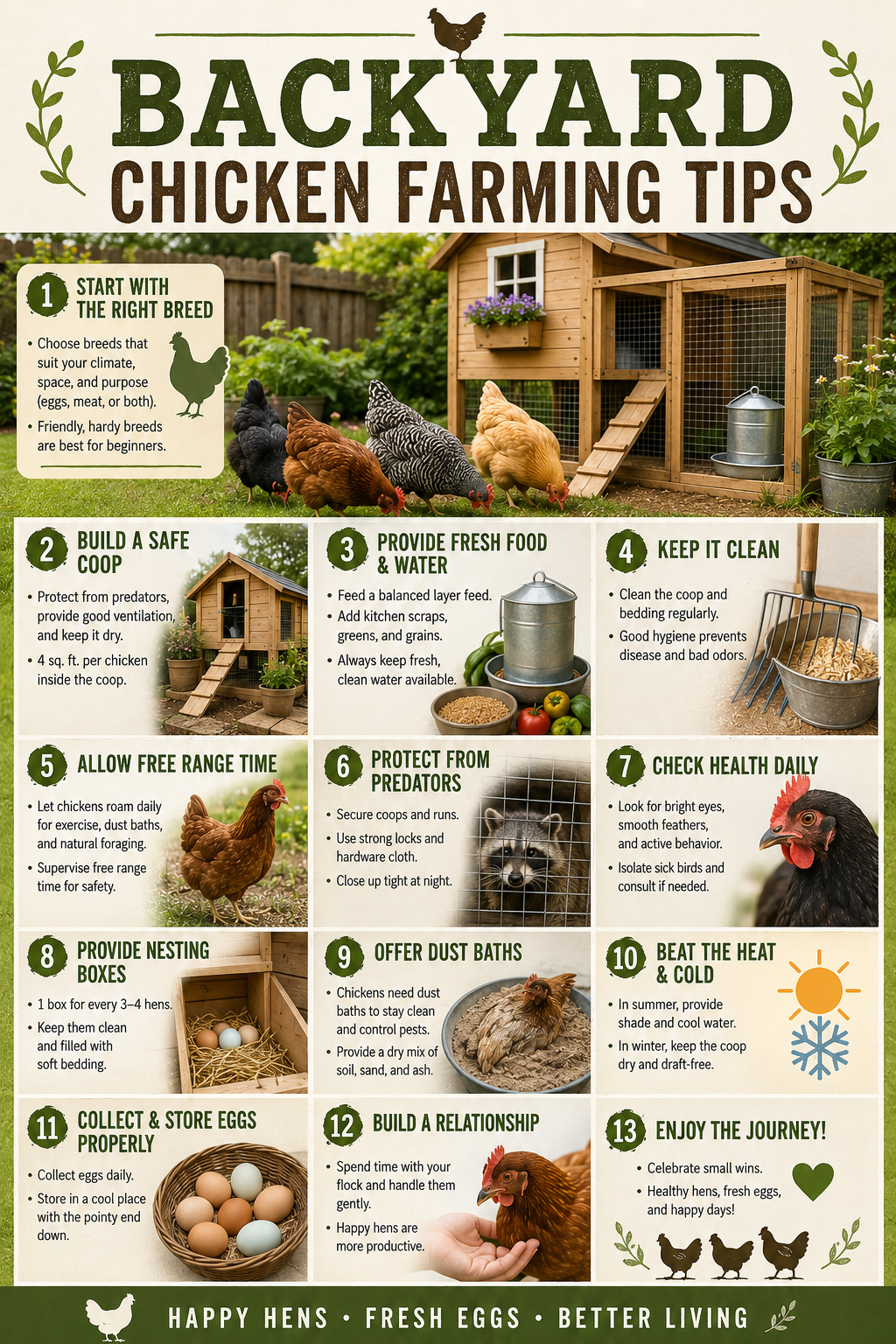
Experience is the best teacher in backyard chicken farming keeping but learning from other people’s mistakes is faster and cheaper. These 25 tips cover the most important lessons that experienced chicken keepers wish they had known from day one.

Housing Tips:
- Build 30% bigger than you think you need — you will want more chickens
- Ventilate more than you think necessary — respiratory problems from moisture are the number one preventable health issue
- Use hardware cloth, not chicken wire — chicken wire keeps chickens in, it does not keep predators out
- Install an automatic coop door before you lose a hen to a forgotten close — it is cheaper than the heartbreak
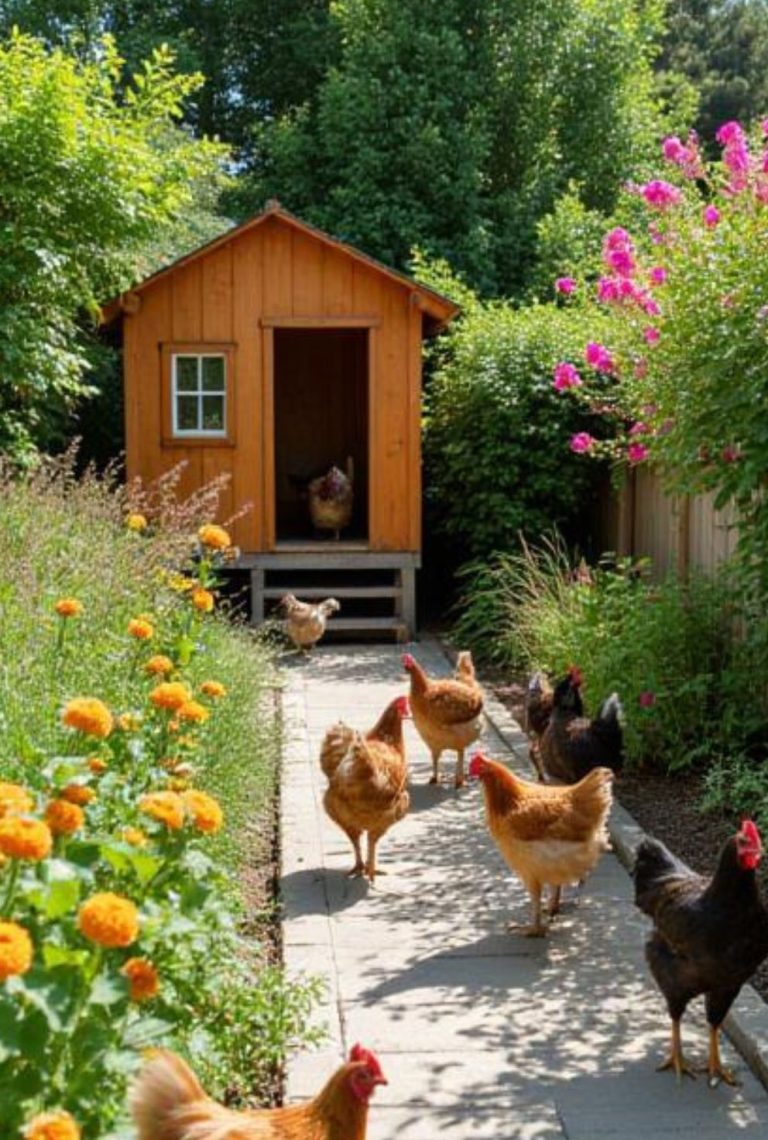
- Raise the coop off the ground — reduces rodent access, improves drainage, provides sheltered space below
Flock Management Tips
- Quarantine all new birds for 30 days before introducing them to your existing flock
- Introduce new birds at night — placing them on the roost after dark reduces morning aggression significantly
- Always add new birds in groups of at least two — a single new hen faces the full force of the existing pecking order
- Keep a record of each hen’s laying pattern — changes are the earliest indicator of health issues
- Observe your flock for 10 minutes daily — behavioral changes visible to a familiar keeper are often invisible to a vet
Feeding Tips
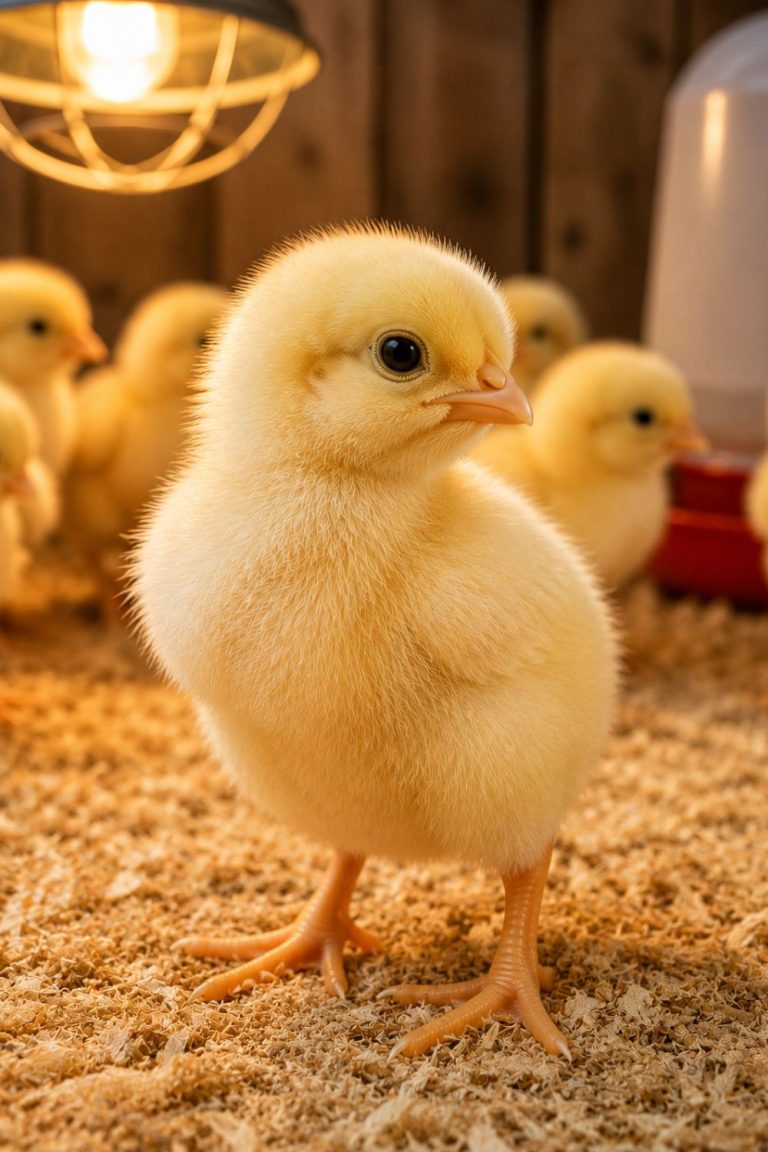
- Never feed layer pellets to chicks under 18 weeks — the calcium is too high for developing kidneys
- Ferment your feed — it improves digestibility, reduces consumption, and supports gut health
- Provide oyster shell in a separate container from the feed — hens self-regulate their calcium intake
- Hang feeders at hen back height — reduces waste, contamination, and competition
- Switch to an automatic treadle feeder to virtually eliminate feed waste and pest access
Health Tips
- Learn to recognize a healthy chicken — so you immediately notice when something is wrong
- Maintain good biosecurity — change clothes and shoes before entering the coop if you have been near other poultry
- Keep a first aid kit stocked before you need it — Sunday evening injuries are real
- Treat for internal parasites (worms) preventatively twice per year
- Diatomaceous earth in the dust bath area reduces external parasite burden naturally
Egg Production Tips
- 14 to 16 hours of light per day is needed for consistent egg production — a solar light maintains this in winter
- Collect eggs twice daily — once in the morning and once in the afternoon — to prevent cracking, soiling, and egg eating
- A hen that stops laying when it is not moulting or broody warrants a close health inspection
- Roll-away nesting boxes eliminate egg eating, reduce breakage, and keep eggs dramatically cleaner
- See our roll-away nesting box review for the best option
Time-Saving Tips
- Deep litter method: build to 12 inches and do a full clean twice a year instead of weekly
- A large-capacity feeder and 5-gallon waterer reduce refill frequency to once per week for most flocks
- Batch process: collect eggs, check water and feed, and observe the flock in one 10-minute daily visit
- Keep spare bulbs, latches, and hardware cloth — repairs during predator pressure are urgent
Frequently Asked Questions
How do I increase egg production naturally?
Ensure 14 to 16 hours of light daily, provide complete nutrition (layer pellets + oyster shell), reduce stress by maintaining a stable flock, and keep fresh water available at all times.
How do I keep my chicken coop from smelling?
Deep litter management, adequate ventilation, no wet bedding, and regular removal of droppings from under roosting bars. Odor is always caused by moisture.
When should I consult a veterinarian?
Any hen showing labored breathing, inability to stand, extreme weight loss, bloody droppings, or signs of predator injury warrants immediate vet attention.