Chicken Breed Chart: 20 Best Backyard Breeds Compared

Chicken Breed Chart

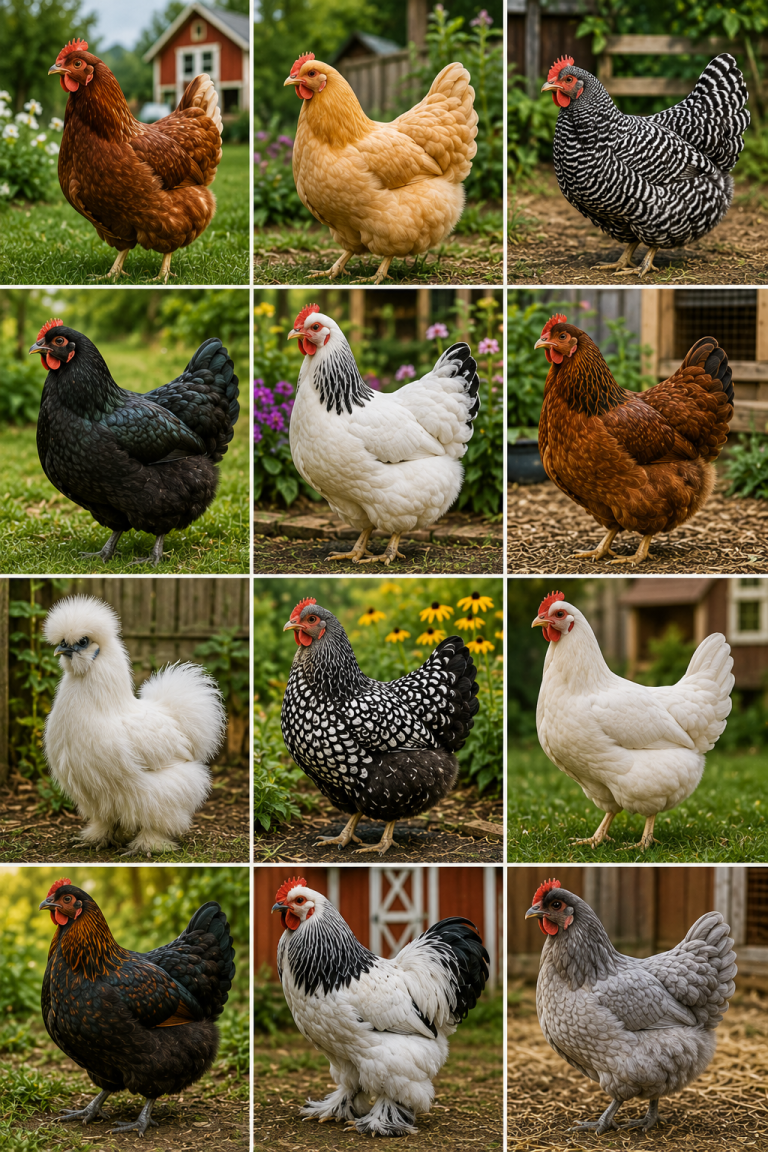
Choosing the right chicken breeds for your backyard flock is one of the most important decisions you will make. The breed determines egg production, temperament, hardiness, size, noise level, and how easy the birds are to manage. This complete breed chart compares 20 of the most popular and practical backyard chicken breeds across all the factors that matter most.

Chicken Breed Chart:

Top Egg Layers

BreedEggs per YearEgg ColorTemperamentSizeCold Hardy
Leghorn (White)250 to 320WhiteActive, flightyMediumModerate
Rhode Island Red200 to 280BrownCalm, friendlyLargeExcellent
Australorp250 to 300BrownCalm, docileLargeExcellent
Plymouth Rock (Barred)200 to 260BrownDocile, curiousLargeExcellent
ISA Brown280 to 320BrownVery friendlyMediumGood
Golden Comet250 to 300BrownCalm, gentleMediumGood
Sex-Link (Red)250 to 300BrownEasy to manageMediumGood

Best Dual-Purpose Breeds

BreedEggs per YearMeat QualityTemperamentCold HardyRecommended For
Rhode Island Red200 to 280GoodCalmExcellentMost backyard setups
Plymouth Rock200 to 260Very GoodDocileExcellentFamily flocks
Orpington (Buff)175 to 225ExcellentVery gentleExcellentBeginners
Sussex (Speckled)180 to 240GoodFriendlyGoodSmall flocks
Wyandotte180 to 220GoodCalmExcellentCold climates
Delaware200 to 250ExcellentCalmGoodAll climates

Best Breeds for Beginners

BreedWhy Great for BeginnersEggs/YearPersonality
Buff OrpingtonGentle giant — hard to go wrong175 to 225Very friendly
Rhode Island RedHardy, productive, adaptable200 to 280Calm
Plymouth RockClassic choice, easy to handle200 to 260Docile
ISA BrownExtremely prolific, very gentle280 to 320Affectionate
AustralorpRecord-breaking layer, calm temperament250 to 300Quiet, docile

Cold Hardy Breeds

BreedCold ToleranceComb Type (frost risk)Winter Egg Production
BuckeyeExcellentPea comb — low frost riskGood
WyandotteExcellentRose comb — low frost riskGood
DominiqueExcellentRose combModerate
AustralorpExcellentSingle comb — moderate frost riskVery Good
OrpingtonExcellentSingle combModerate

Bantam Breeds for Small Spaces

BreedSizeEggs per YearTemperamentBest For
SilkieVery small100 to 120Extremely friendlyChildren, small yards
SeramaTinyUp to 180CalmVery small urban yards
Dutch BantamSmall150 to 170ActiveSmall garden flocks
Pekin (Cochin Bantam)Small100 to 160FriendlyOrnamental, pets

Colorful Egg Layers

BreedEgg ColorEggs/YearTemperament
AmeraucanaBlue/Green200 to 250Calm
Easter EggerBlue/Green/Olive200 to 280Friendly
Olive EggerOlive green150 to 200Varies
Marans (Black Copper)Dark chocolate brown150 to 200Calm
WelsummerSpeckled dark brown160 to 200Active

Frequently Asked Questions

What is the best chicken breed for beginners?

The Buff Orpington, Rhode Island Red, and ISA Brown are the three most recommended beginner breeds. All are hardy, friendly, productive, and forgiving of beginner mistakes.

Which chicken breed lays the most eggs?

ISA Browns and Leghorns are among the highest producers at 280 to 320 eggs per year. However, these breeds have shorter laying careers than heritage breeds.

Can I mix different breeds in one flock?

Yes. Most breeds integrate well. Avoid mixing very large breeds with bantams, and be aware that flighty breeds like Leghorns may stress calmer breeds in a confined space.

Similar Posts

Leave a Reply

Your email address will not be published. Required fields are marked *