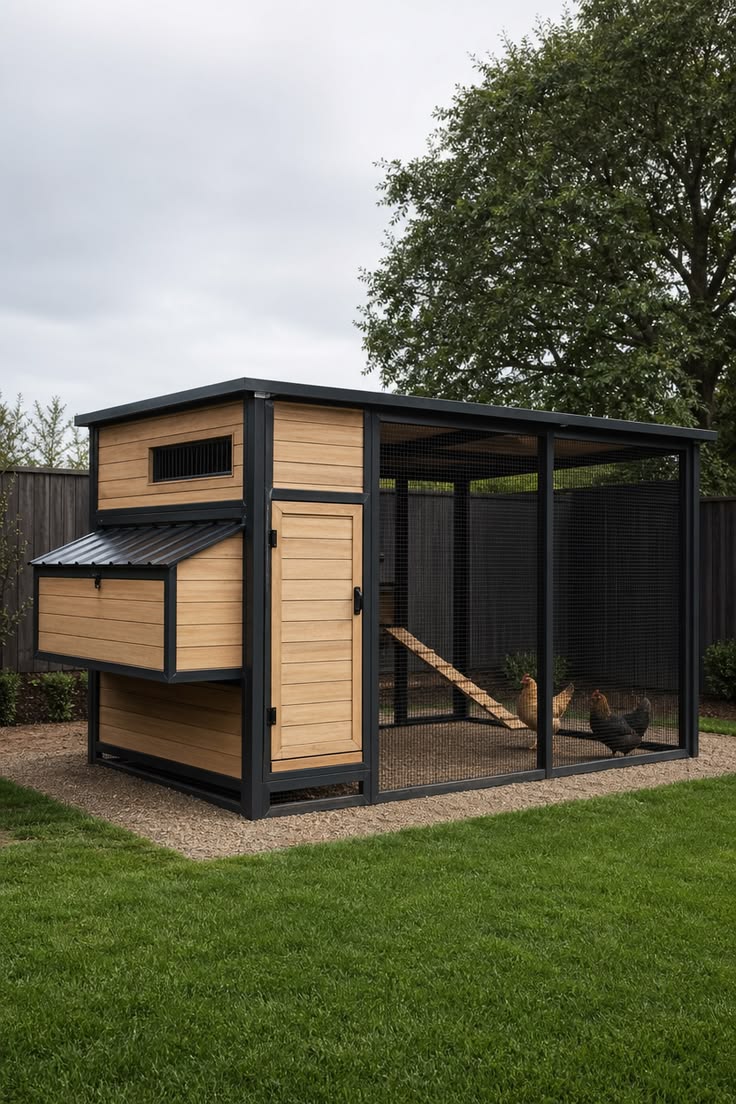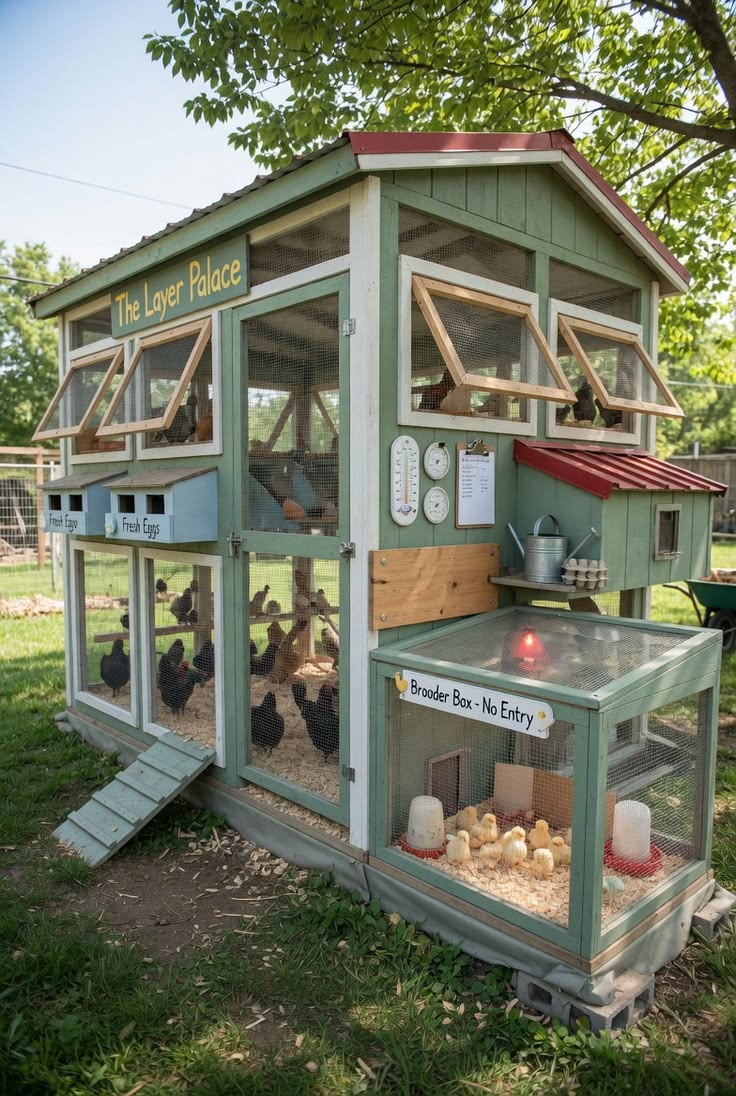
Raised Chicken Coop Designs That Are Predator-Proof
A raised chicken coop is one of the smartest designs you can choose, especially if predators are a concern in your area. By lifting the living quarters off the ground, you eliminate the dark, hidden space under the coop that rats and snakes love, improve airflow and drainage, and make it far harder for diggers and climbers to reach your birds. But raising a coop alone is not enough.
True predator proofing comes from combining smart elevation with the right hardware, latches, and fencing. In this guide, we will cover the best raised coop designs, every layer of predator defense, and the products that keep your flock safe night after night.
If you have ever lost a bird to a raccoon, fox, or hawk, this is the design philosophy that finally puts your mind at ease.
Why Raised Coops Are Naturally Safer?
Elevating a coop on legs or a sturdy frame delivers several built-in security benefits. First, it removes the sheltered nesting space underneath that attracts rodents and snakes, which prey on eggs and chicks. Second, it forces predators into the open to reach the birds, eliminating the cover they rely on to dig undetected. Third, raised coops drain better and stay drier, which reduces the damp conditions that draw pests in the first place.
There are comfort benefits too. A raised coop runs cooler in summer thanks to airflow beneath the floor, and the elevated platform doubles as shaded shelter for your flock in the run below. For keepers in wet or predator-heavy regions, a raised design solves several problems at once.
The Best Raised Coop Designs
The Classic Legged Coop
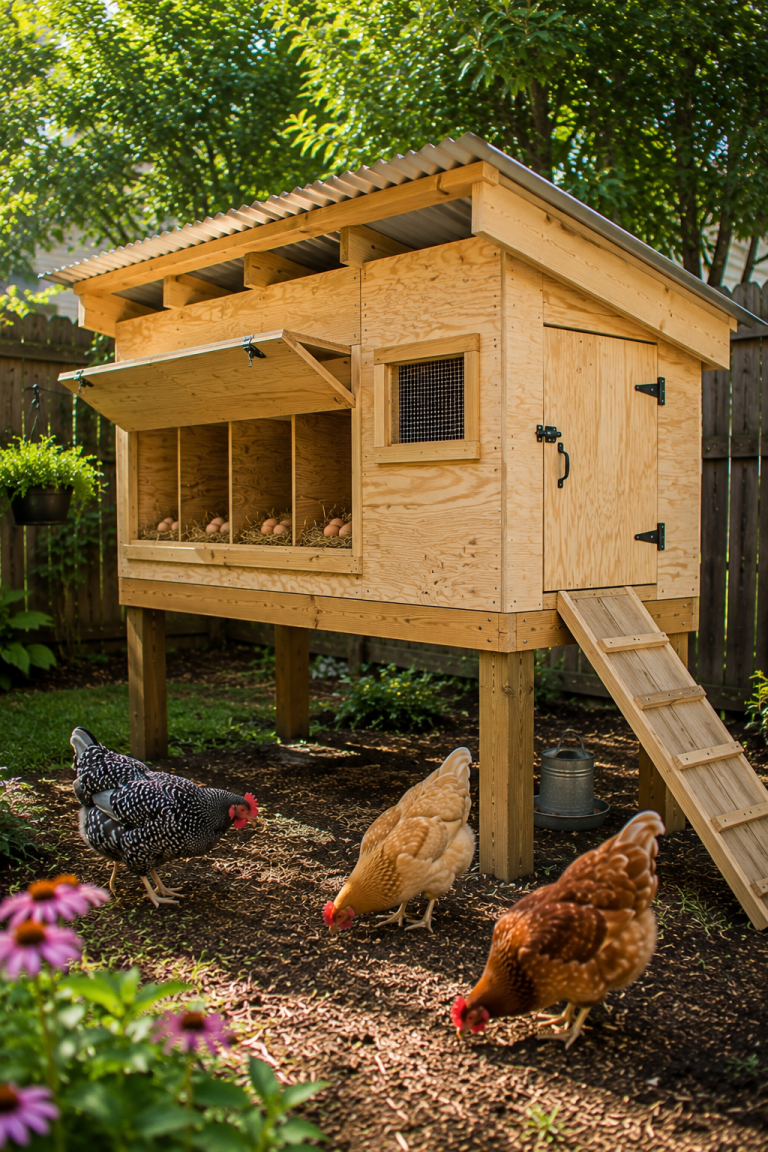
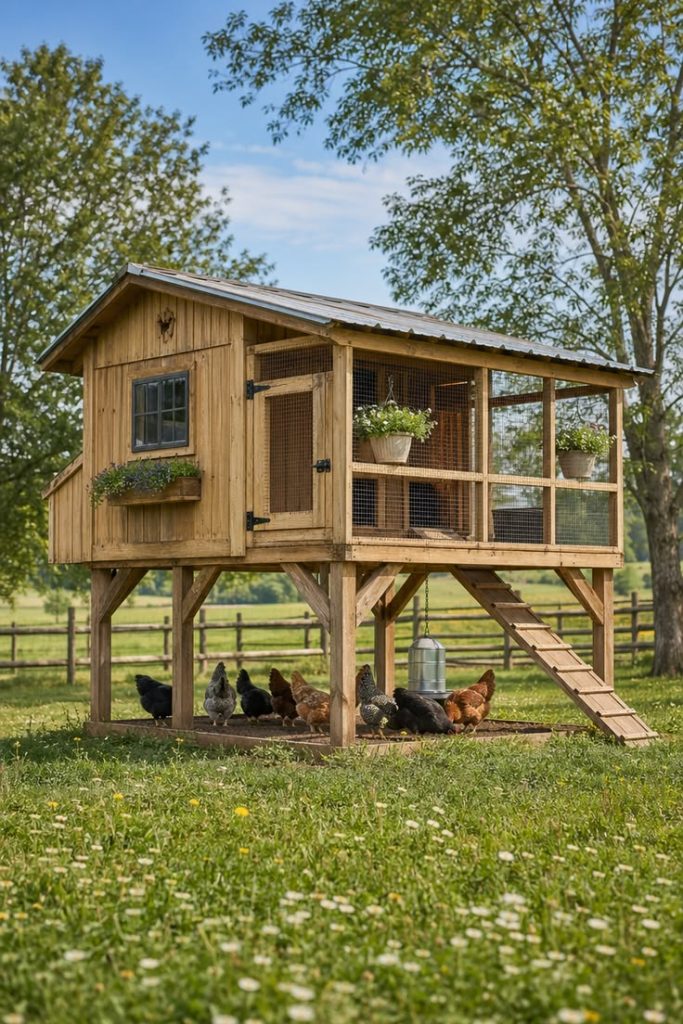
The most common raised design sits on four sturdy legs, lifting the coop one to two feet off the ground. A ramp leads up to the pop door, and the shaded space beneath becomes part of the run. This style suits small to medium flocks and is easy to clean since you are not bending to ground level.
The Coop-Over-Run Design
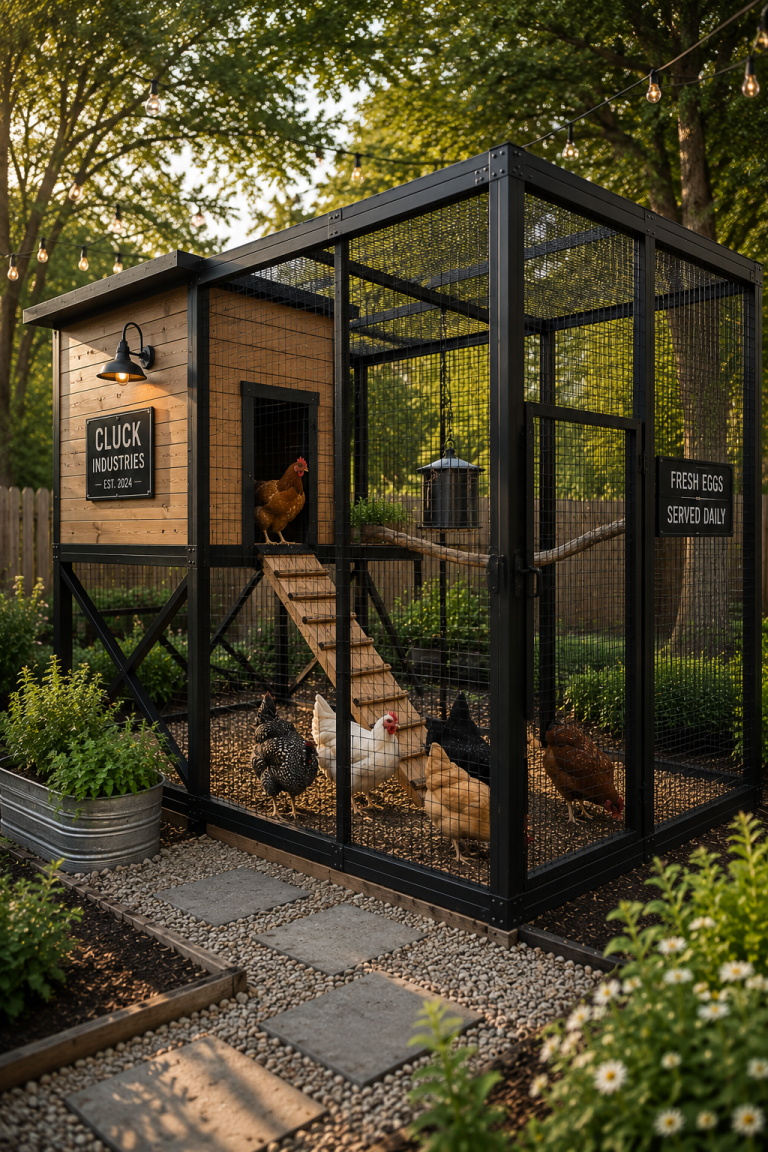
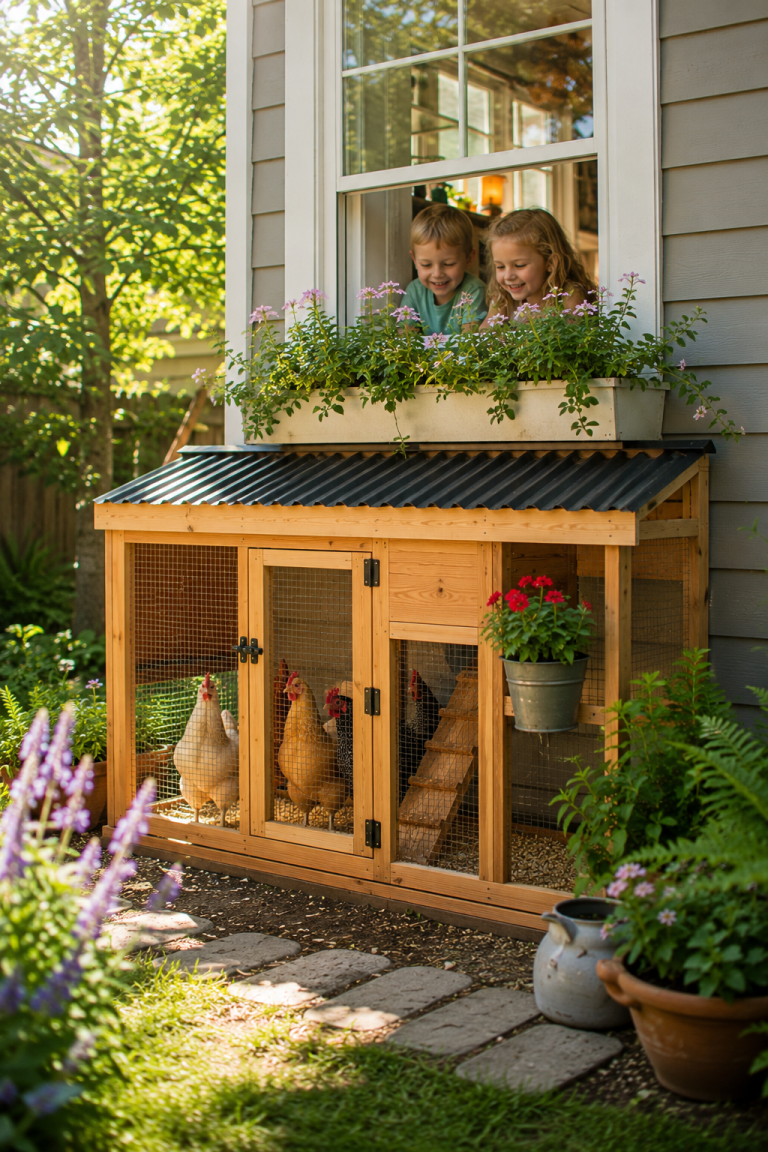
This space-efficient layout stacks the enclosed coop on top of a fully fenced run. Birds shelter in the run during the day and climb a ramp to the secure sleeping quarters at night. Because the entire footprint is enclosed in hardware cloth, this is one of the most predator-resistant designs available, ideal for smaller yards.
The Elevated Walk-In Coop
For bigger flocks, an elevated walk-in coop is built on a raised platform or deck with a short staircase for the keeper. You get all the predator advantages of elevation plus the convenience of standing inside. This design takes more material but offers the best of both worlds.
Top Pick: Raised Chicken Coops
Raised coops lift your flock off the ground for better airflow, drainage, and predator resistance, and many include an integrated run beneath the sleeping quarters.
Building a Multi-Layer Predator Defense
Elevation is your first line of defense, but a truly predator-proof coop relies on several layers working together. Think of it as a system: stop the diggers, stop the climbers, stop the reachers, and stop the clever ones who can open simple latches.
Layer 1: Stop the Diggers
Foxes, dogs, and skunks dig under fencing to reach birds. Defeat them by burying hardware cloth at least 12 inches deep around the run perimeter, or by laying a flat 2-foot apron of hardware cloth on the ground extending outward from the base. When a predator hits the buried wire, it gives up.
Layer 2: Stop the Climbers and Fliers
Raccoons climb and hawks swoop. Always cover the top of the run with welded wire or strong netting, never leaving it open. For the coop itself, secure every window and vent with hardware cloth screwed firmly in place, not stapled, since raccoons can pull staples loose.
Layer 3: Use the Right Mesh
This is the most important choice you will make. Chicken wire keeps chickens in but does almost nothing to keep predators out, since raccoons reach through it and dogs tear it open. Replace every bit of it with half-inch, 19-gauge galvanized hardware cloth on all openings.
Half-Inch Hardware Cloth
This is the single most important predator-proofing material. Use it on every window, vent, and run panel, and bury it around the perimeter to stop diggers.
Layer 4: Predator-Proof Latches
Raccoons have nimble paws and can open simple slide bolts and hook latches. Use two-step locking latches, spring-loaded carabiners, or barrel bolts with a clip on every door and access panel. If a human needs two motions to open it, a raccoon usually cannot.
Raccoon-Proof Coop Latches
Spring latches and locking bolts stop clever raccoons from opening doors, closing the most common gap in backyard coop security.
The Automatic Door: Your Overnight Guardian
Most predator losses happen at dawn or dusk when the coop is open and the keeper is asleep or away. An automatic door that opens at first light and locks securely at nightfall removes that risk entirely. Light-sensor and timer models close the pop door even if you are not home, which is the closest thing to a guaranteed safe night your flock can have.
Automatic Chicken Coop Door
An automatic door is the ultimate set-and-forget protection, sealing your flock in safely every night without you lifting a finger.
Maintenance Checks for Ongoing Safety
A predator-proof coop only stays that way if you check it regularly. Walk the structure once a week looking for loose hardware cloth, gaps where wood has shrunk, dug holes along the perimeter, or worn latches. Predators are persistent and will test the same weak point night after night. A quick weekly inspection and a handful of screws keeps small vulnerabilities from becoming heartbreaking losses.
Know Your Enemy: Common Predators and How They Attack
Building the right defenses starts with understanding how each predator operates. The most determined backyard threat is the raccoon, which has dexterous paws that open simple latches, reaches through wide wire to grab birds, and works mostly at night. Foxes and coyotes dig under fencing and can clear low barriers, striking at dawn and dusk.
Hawks and owls attack from above, which is why an uncovered run is so dangerous. Snakes and rats target eggs and chicks, slipping through any gap larger than a half inch. Weasels and mink are small enough to squeeze through openings the size of a quarter and can wipe out a whole flock in one visit.
Dogs, both wild and neighborhood pets, dig and tear at fencing. Each of these is defeated by the layered defenses a raised coop makes possible: elevation, buried hardware cloth, a covered run, half-inch mesh, and locking latches.
Building vs Buying a Raised Coop
Once you have decided on a raised design, the next question is whether to build or buy. Building from scratch gives you full control over size, materials, and security, and lets you over-engineer the predator proofing exactly where you want it, though it takes time, tools, and some skill.
Buying a pre-made raised coop is faster and easier, and many quality kits come with an integrated run and decent hardware, but the cheapest models often use thin wire and weak latches that you will need to upgrade immediately.
A practical approach for many keepers is to buy a solid raised coop shell and then reinforce it: replace any chicken wire with hardware cloth, swap flimsy latches for locking ones, add a buried apron, and fit an automatic door. That combination gives you the convenience of a kit with the security of a custom build.
Where to Place a Raised Coop
Location adds another quiet layer of protection. Position the coop within sight of your house so you can spot trouble, and so the human activity nearby deters cautious predators.
Choose a well-drained spot, since standing water attracts pests and rots even raised structures over time. Some shade is helpful in summer, but avoid placing the coop in dense brush or right against a wood line, which gives predators cover to approach unseen. A little open ground around the coop forces any predator into the open, where it is far more likely to give up.
Frequently Asked Questions
How high should a chicken coop be raised off the ground?
Raise the coop floor at least 8 to 12 inches off the ground so air circulates and no animal can nest comfortably underneath. Many keepers go higher to use the shaded space below as part of the run.
Is chicken wire predator-proof?
No. Chicken wire only contains birds and is easily defeated by raccoons and dogs. Use half-inch hardware cloth for any barrier meant to keep predators out.
What is the most common way predators get into a coop?
The most common entry points are unsecured pop doors left open at night, flimsy chicken wire, simple latches that raccoons can open, and gaps where diggers tunnel underneath.
Do raised coops stay warm enough in winter?
Yes, as long as the sleeping quarters are enclosed and draft-free. The open space is below the insulated coop box, so birds stay warm on the roosts while still benefiting from elevation.
Signs a Predator Has Been Testing Your Coop
Predators rarely succeed on the first try, which means they often leave warning signs before a break-in. Learning to spot these clues lets you reinforce a weak point before you lose a bird. Look for fresh digging or scratch marks around the base of the run, which signal a fox, dog, or skunk probing for a way under.
Bent, pried, or loosened hardware cloth and pulled staples point to a determined raccoon. Small tufts of feathers near a gap, droppings or tracks you do not recognize, and birds that seem unusually stressed or refuse to go into the run can all indicate a nighttime visitor.
Missing eggs without a clear cause may mean a snake or rat is slipping in. If you notice any of these signs, do a thorough inspection immediately, seal every gap, and consider adding motion lights or upgrading to an automatic door. Catching the testing phase is your best chance to prevent a tragedy.
Peace of Mind Is the Real Payoff
Beyond protecting your birds, a properly predator-proofed raised coop gives you something just as valuable: peace of mind. There is a particular dread that comes with wondering each night whether your flock will be safe until morning, and a fortress-grade coop lifts that worry entirely.
When you know the elevation, buried hardware cloth, covered run, half-inch mesh, locking latches, and automatic door are all working together, you can sleep soundly and enjoy your chickens without anxiety.
That confidence is what turns chicken keeping from a source of stress into the relaxing, rewarding hobby it is meant to be, which is reason enough to get the security right from the start.
Final Thoughts
A raised chicken coop gives you a powerful head start on predator protection, but real security comes from layering elevation with hardware cloth, buried aprons, covered runs, locking latches, and an automatic door.
Build all of those layers into your design and you create a fortress that keeps your flock safe through every night. Use the recommended raised coops and predator-proofing products above to put each layer in place and finally stop worrying about what is prowling in the dark.